Indica, sativa, hybrid: the label is only half the story
The three words on the shelf come from an eighteenth-century botanical argument, not from pharmacology. Here is what they can honestly tell you, and what to read instead.

An eighteenth-century argument about plants
The vocabulary comes from a taxonomic dispute in eighteenth-century Europe. Linnaeus catalogued the hemp plant of European fields as Cannabis sativa in 1753. Three decades later Lamarck examined specimens from India and argued they were different enough to warrant a second species, Cannabis indica. Botanists have been arguing about whether that split was justified ever since.
What the two names described was the plant, not the experience. Indica-type plants were characterised as short, dense and broad-leafleted; sativa-type plants as tall, open and narrow-leafleted, with a longer flowering period. Those are statements about growth habit and geographic origin. Neither term said anything about resin chemistry, and neither was ever intended as a forecast of how a flower would make a person feel.
What decades of hybridisation did to the words
Then came a century of seed moving around the world and, from the 1970s onwards, deliberate crossing on an industrial scale. Almost everything on a modern shelf is a hybrid many generations deep, with parentage drawn from both morphological types and often from populations that were already mixed themselves. Pure lineages, in the sense the old labels imply, are rare to the point of being a curiosity.
Genetic and chemical surveys of commercial samples have repeatedly reached the same conclusion: the indica or sativa designation a seller uses is a weak predictor of a plant's actual ancestry, and a weaker one of its cannabinoid and terpene content. Two products carrying an identical strain name, grown by different producers, can differ substantially on both counts. The name travels; the genetics and the chemistry do not always travel with it.
The label is the shelf category. The certificate of analysis is the product.
Chemovars: the frame that carries real information
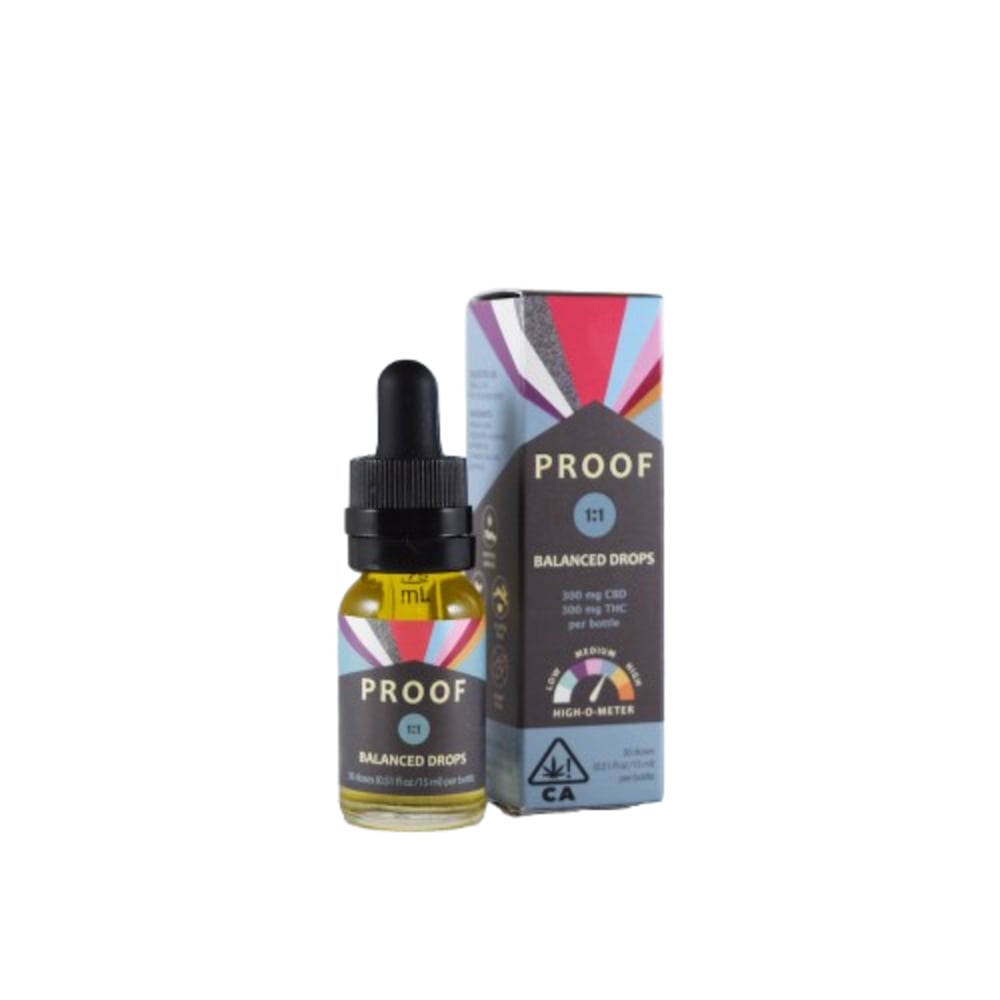
The more useful frame is the chemovar, sometimes called the chemotype, which sorts plants by what is actually in them. The standard scheme has three types: type I is THC-dominant, type II carries roughly balanced THC and CBD, and type III is CBD-dominant with only trace THC. That single distinction says more about what you are holding than any amount of shelf taxonomy.
Layered on top sits the terpene profile, the aromatic compounds that give a batch its smell and that vary widely even within one strain name, depending on genetics, growing conditions and how the flower was dried and cured. Around all of it sits everything that has nothing to do with the plant at all: the dose, the route of administration, a person's tolerance, and the setting they are in.
A caution is owed here. No reliable rule maps a label, or even a chemovar, onto a predictable outcome for a given individual. Anything said about how a product is experienced is reported experience, what users commonly describe, rather than a verified property of the goods. Such statements are not evaluated by regulators and are not health claims of any kind.
What to read instead of the label
- Total THC and total CBD, taken from the batch certificate of analysis rather than from the packaging.
- The top three terpenes by percentage, which describe the aroma profile far more precisely than a category name.
- The product format and the dose a single serving actually delivers.
- Your own written notes on what you have tried before, kept honestly and consistently.
- The batch identifier, because the same strain name on a different batch is in practice a different product.
None of this makes the old words useless. Indica, sativa and hybrid are serviceable shelf-organising shorthand; they give a room full of jars a structure, and vendors are not being dishonest when they use them. They are simply the coarsest possible summary of a complicated chemical picture, and the trouble starts when they are treated as a specification rather than a filing system.
The practical advice does not change with the label. Vital Leaf Rx sells only to adults of legal purchasing age, 21+ where we ship. Start low and go slow with anything new, whatever the jar says; do not drive or operate machinery; do not combine with alcohol; and keep products locked away from children and pets. If you are pregnant, breastfeeding or taking medication, speak to a doctor first. Rules differ by market, so check our compliance page for what applies where you are.
These statements have not been evaluated by any medicines agency. Products are not intended to diagnose, treat, cure or prevent any disease. Keep out of reach of children. Use only where lawful.